Powder-Based 3D Printing Workshop at Adamsys – Erasmus+ 3D Academy
In February 2026, during the Erasmus+ project “3D Academy”, students and teachers took part in the mobility activity P1 – “3D Printing Step by Step”, which was held in Prague. One of the key educational moments of this mobility was a professional visit to the company Adamsys, where participants attended several workshops focused on advanced additive manufacturing technologies.
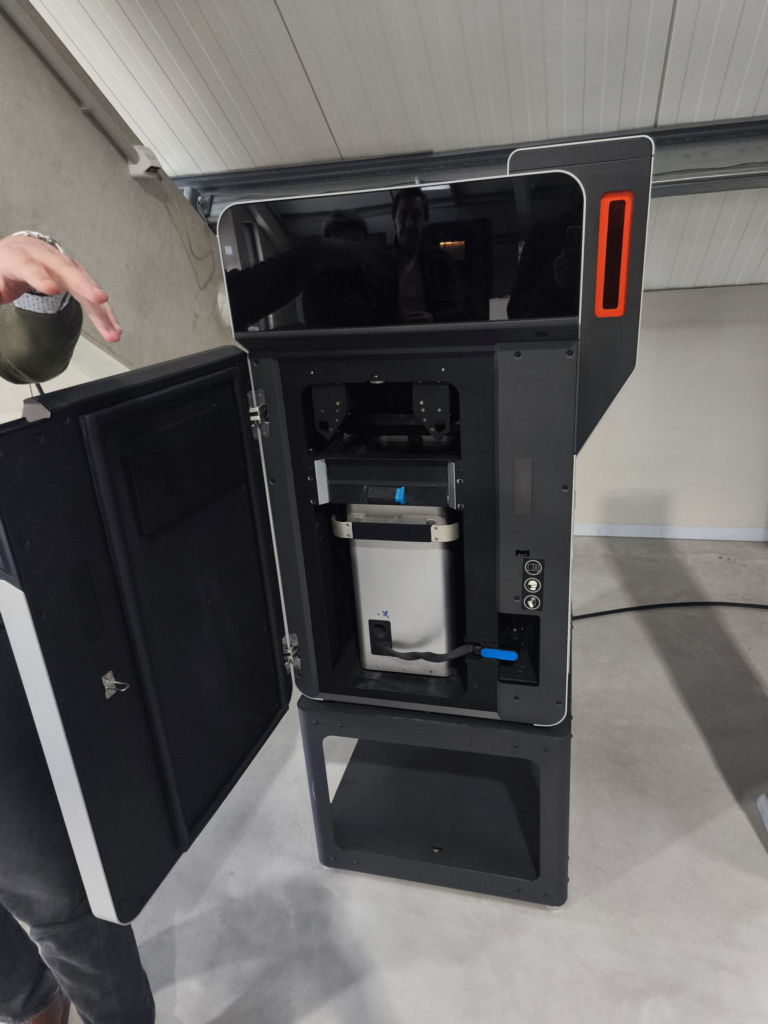
One of these workshops introduced students to powder-based 3D printing technologies, an important industrial method used to produce strong and complex components with high precision. During the session, experts from Adamsys explained how this type of additive manufacturing works and how it differs from filament or resin-based printing systems.
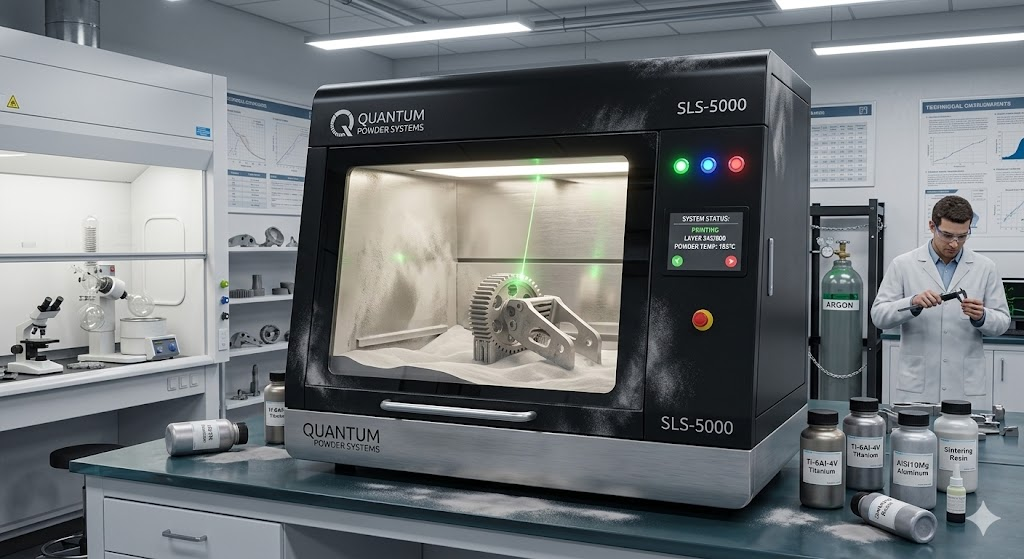
The workshop focused on technologies that use fine powder materials to create three-dimensional objects layer by layer. In these systems, a thin layer of powder—often made of plastic, metal, or composite materials—is spread across the build platform. A controlled energy source, such as a laser, then selectively fuses or sinters the powder particles according to the digital design of the object.
Once a layer is completed, a new layer of powder is spread over the surface, and the process repeats until the full model is formed. One of the advantages of powder-based printing is that the surrounding loose powder supports the object during printing, which allows the creation of complex shapes and internal structures without the need for additional support materials.
During the workshop, the Adamsys specialists introduced students to several industrial technologies that use powder materials, such as Selective Laser Sintering (SLS) and other powder-bed fusion processes commonly used in engineering and manufacturing. These technologies are widely applied in sectors such as automotive design, aerospace engineering, product development, and medical device production.
Participants also learned about the different types of powder materials used in these processes. The instructors explained how materials such as nylon-based powders are commonly used for strong and lightweight parts, while metal powders can be used in advanced industrial machines to manufacture highly resistant components.
Another important topic discussed during the workshop was the post-processing phase. After printing, the parts must be removed from the powder bed and cleaned to eliminate excess material. The unused powder can often be recycled and reused, making the process more efficient and sustainable.
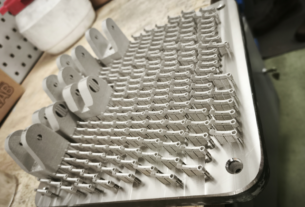
Students had the opportunity to observe examples of parts produced using powder-based technologies, which demonstrated impressive mechanical strength, design complexity, and professional surface quality. These examples helped participants understand why powder-based printing is widely used in modern industrial production.
For the students participating in the 3D Academy Erasmus+ project, the workshop at Adamsys provided valuable insight into one of the most advanced forms of additive manufacturing. The experience complemented their knowledge of filament and resin printing and helped them understand the wide range of technologies available in the field of 3D printing.
This activity was an important part of the mobility P1 – “3D Printing Step by Step”, supporting the project’s goal of developing practical technological skills and promoting innovation through international cooperation and hands-on learning experiences.