Resin Laser 3D Printing Workshop at Adamsys – Erasmus+ 3D Academy
In February 2026, as part of the Erasmus+ project “3D Academy”, students and teachers participated in the mobility activity P1 – “3D Printing Step by Step”, which took place in Prague. One of the most valuable educational experiences during this mobility was a technical visit to the company Adamsys, a well-known provider of professional 3D printing solutions.
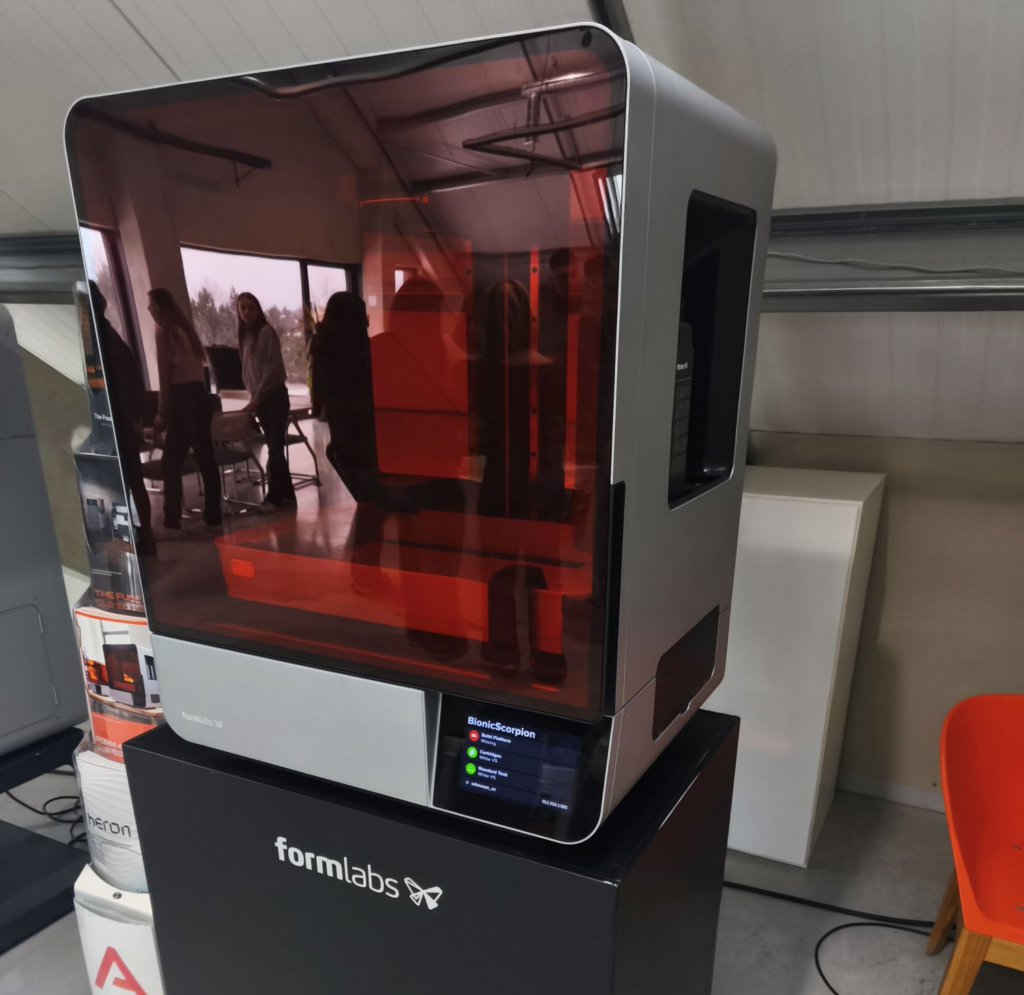
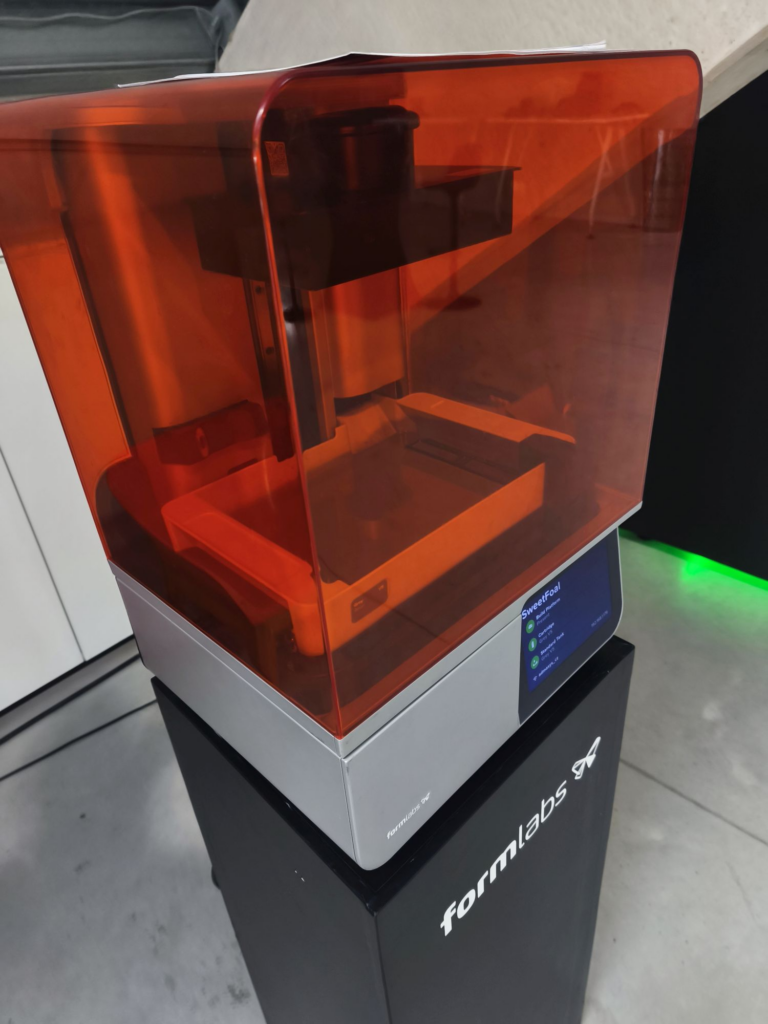
During the visit, participants took part in a specialized workshop focused on resin-based 3D printing using laser technology. The session introduced students to SLA (Stereolithography) printing, a highly precise additive manufacturing method that uses a laser to cure liquid resin layer by layer.
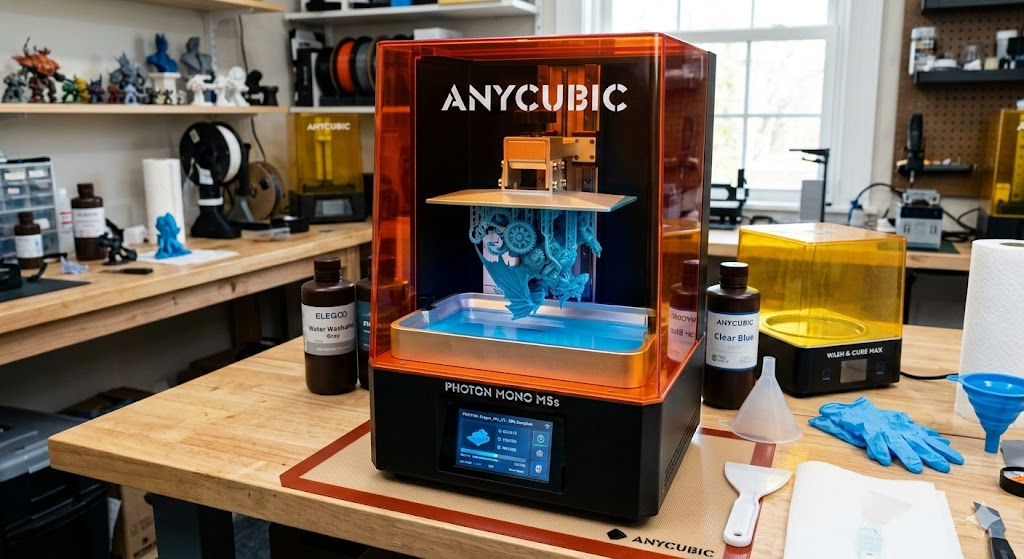
The workshop began with an explanation of how resin 3D printing differs from filament-based technologies such as FFF (Fused Filament Fabrication). While filament printers melt plastic and deposit it layer by layer, SLA printers work with a liquid photopolymer resin contained in a vat. A laser beam selectively cures the resin, solidifying it to form extremely detailed and accurate parts.
Experts from Adamsys demonstrated how the laser scans across the resin surface, tracing the shape of each layer according to the digital 3D model. After each layer is cured, the build platform moves slightly, allowing a new thin layer of liquid resin to cover the surface. This process continues until the entire object is completed.
Students learned about the main components of resin laser printers, including the laser system, resin tank, build platform, optical system, and control software. The instructors also explained the importance of printing parameters, such as layer thickness, laser exposure time, and orientation of the model, all of which influence the final quality of the printed object.
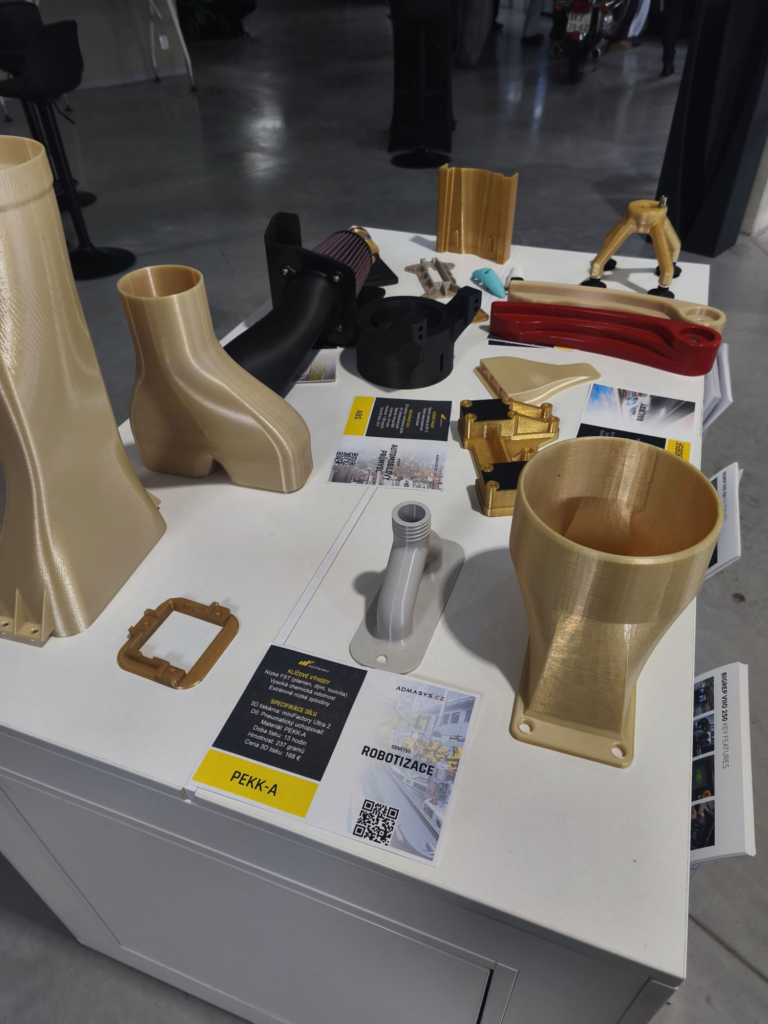
Another important part of the workshop focused on different types of resins used in industrial and professional applications. Participants were introduced to standard resins for prototyping, as well as engineering resins designed for strength, flexibility, or heat resistance. The experts also explained how specialized resins can be used in sectors such as product design, dentistry, engineering, and manufacturing.
The Adamsys team also demonstrated the post-processing steps required for resin printing. After printing, the objects must be cleaned in alcohol to remove uncured resin and then placed in a UV curing station to fully harden the material. Students could observe how these finishing processes improve the mechanical properties and surface quality of the printed parts.
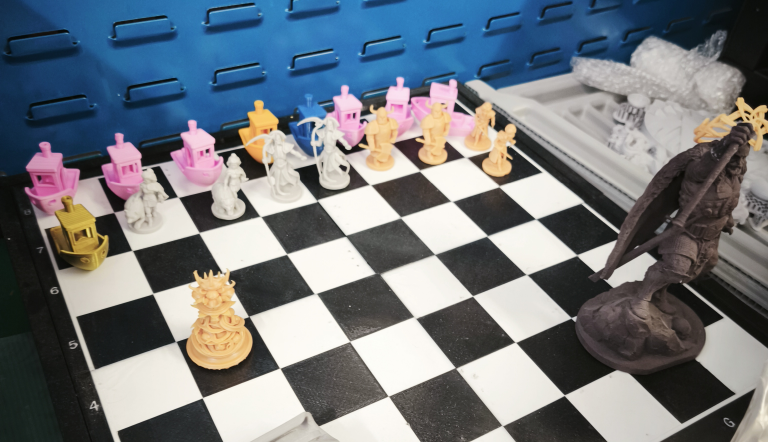
The visit allowed students to see professional SLA printers in operation, producing objects with extremely fine detail and smooth surfaces. Compared with filament printing, resin laser printing offers higher resolution and is particularly suitable for complex models, small mechanical components, and highly detailed prototypes.
For the participants of the 3D Academy Erasmus+ project, the workshop at Adamsys was an inspiring learning experience. It helped them understand the advantages and applications of resin laser 3D printing and how this technology is used in modern industry.
The activity was an important part of the mobility P1 – “3D Printing Step by Step”, strengthening students’ practical knowledge of additive manufacturing and supporting the project’s goal of developing advanced digital and technical skills through international collaboration.