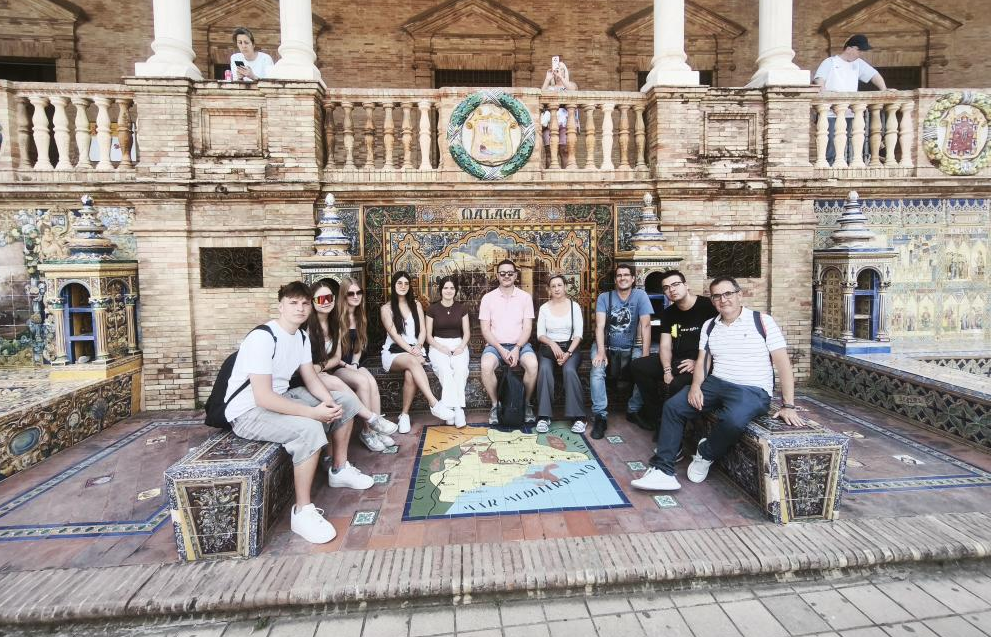
On 13 May 2026, students participating in the 3D Academy Erasmus+ Project from Spain, the Czech Republic, and Poland took part in an educational excursion to Seville designed to explore the connections between technology, cultural heritage, innovation, and three-dimensional design. The activity also promoted intercultural cooperation, allowing students from different countries to work together, exchange ideas, and learn from shared experiences.
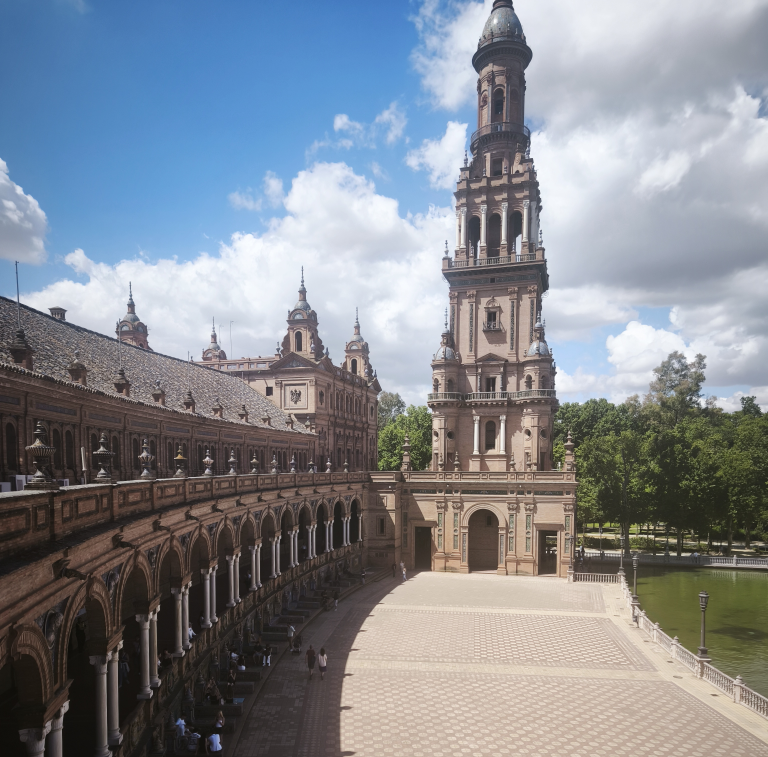
The visit began at the Plaza de España, one of Seville’s most iconic architectural landmarks and a location featured in the Star Wars film saga. During this activity, students discussed the role of 3D design, digital modelling, and visual effects in modern cinema. They explored how architects, designers, and digital artists use advanced modelling tools to create realistic virtual environments, film sets, and immersive visual experiences that combine creativity with technology.
The second stop was the Ethnographic Museum, where students observed historical artefacts and cultural collections that reflect different traditions and ways of life. The visit provided an opportunity to discuss how 3D scanning and digital modelling technologies are increasingly used to preserve cultural heritage, create virtual exhibitions, and document historical objects for future generations.
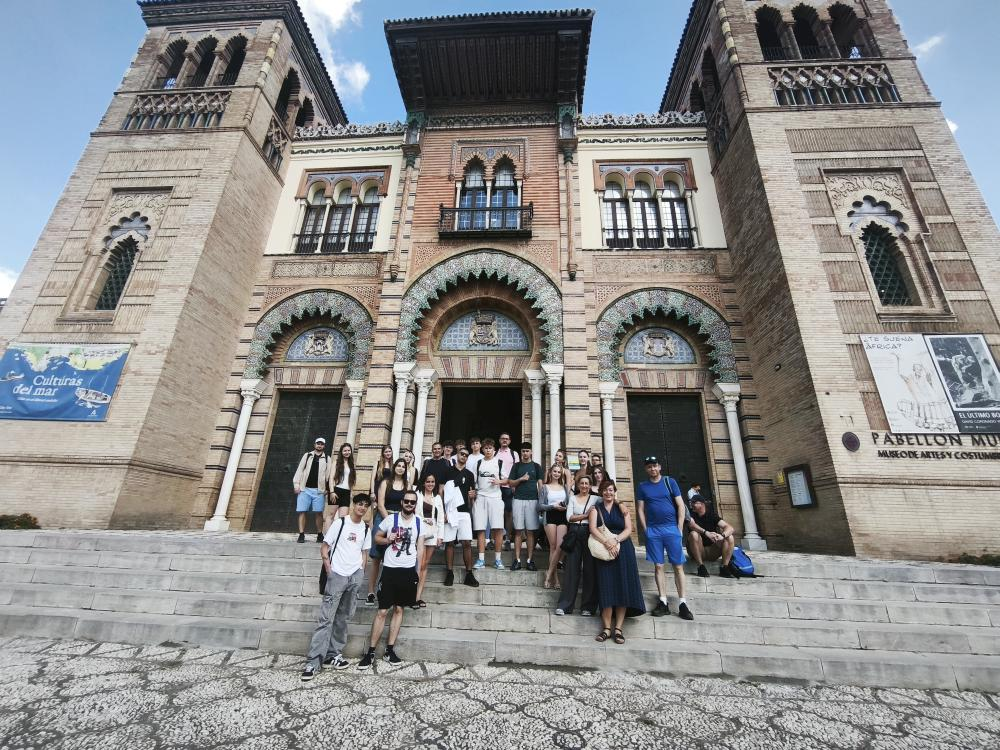
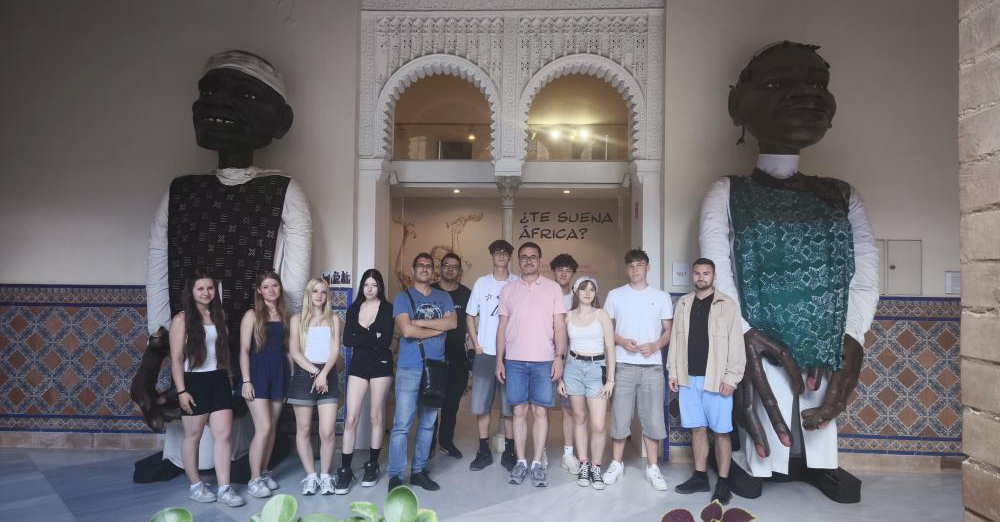
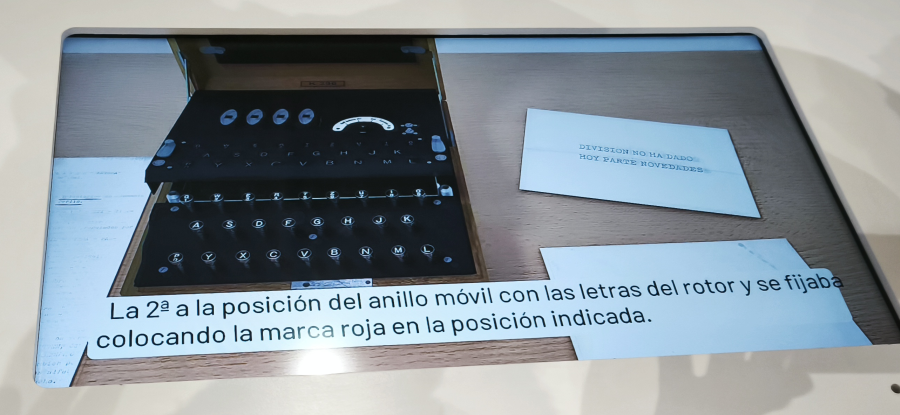
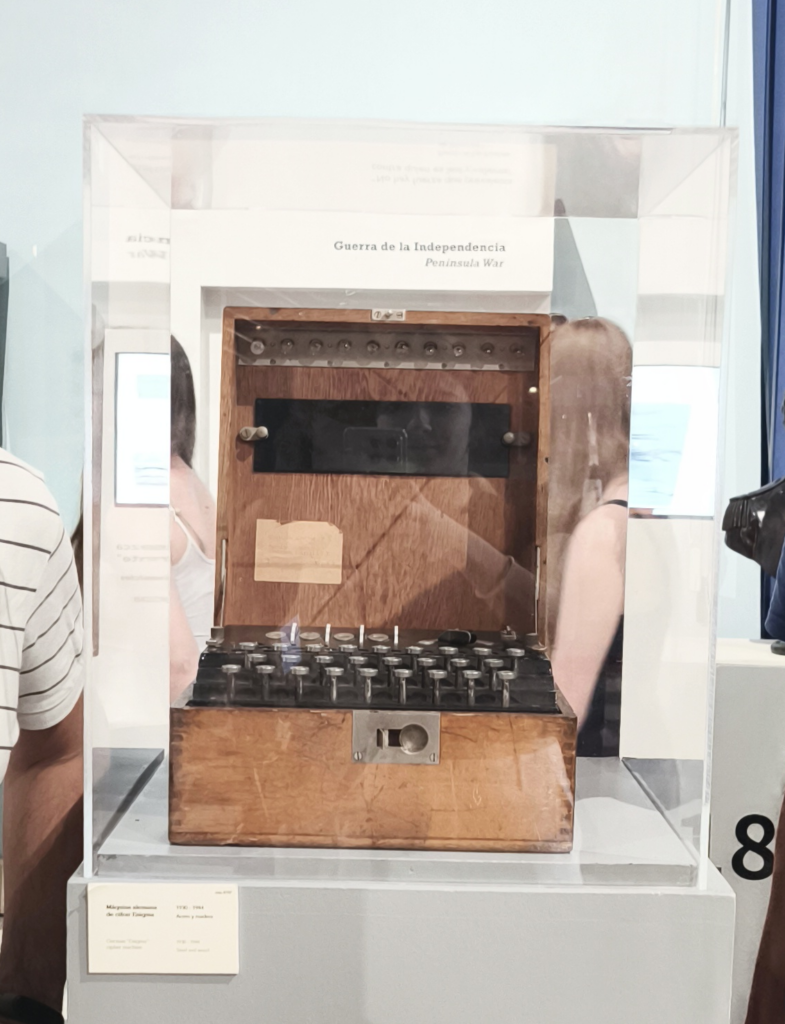
At the Historical Technology Museum, participants explored the evolution of technological innovation and engineering throughout history. By analysing historical machines, scientific instruments, and technological developments, students gained a deeper appreciation of how design and engineering have evolved over time. The museum also provided examples of objects that can now be recreated, analysed, and improved using modern 3D design software and additive manufacturing techniques.
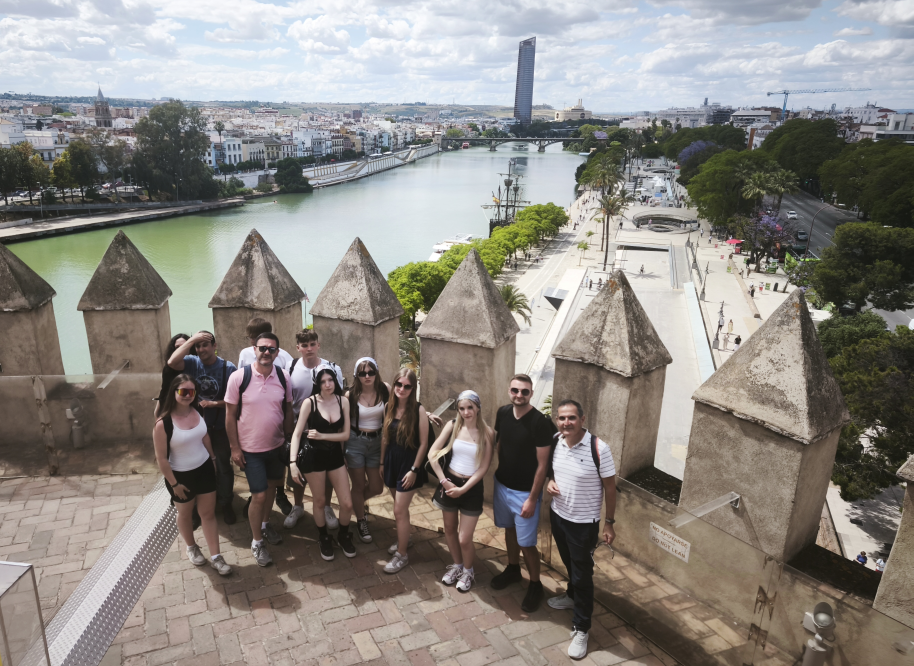
In the afternoon, the group visited the Nautical Museum in the Torre del Oro, where students examined historical ship models and maritime technology. These detailed scale models demonstrated the importance of three-dimensional representations in understanding engineering principles, naval architecture, and construction techniques. Students discussed how similar models can be designed today using CAD software and produced through 3D printing technologies, reinforcing the practical applications of digital design skills.
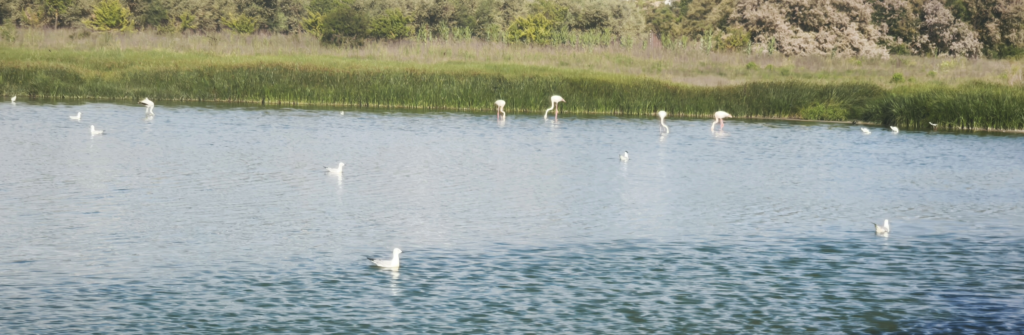
On the return journey, the participants took part in an additional activity focused on environmental education and sustainability at the Fuente de Piedra Lagoon Natural Reserve. This important wetland ecosystem provided students with the opportunity to learn about biodiversity, conservation, and the protection of natural habitats. To encourage observation and teamwork, an educational birdwatching challenge was organised, in which students competed to identify and record as many bird species as possible. The activity promoted environmental awareness while helping participants appreciate the importance of preserving Europe’s natural heritage.
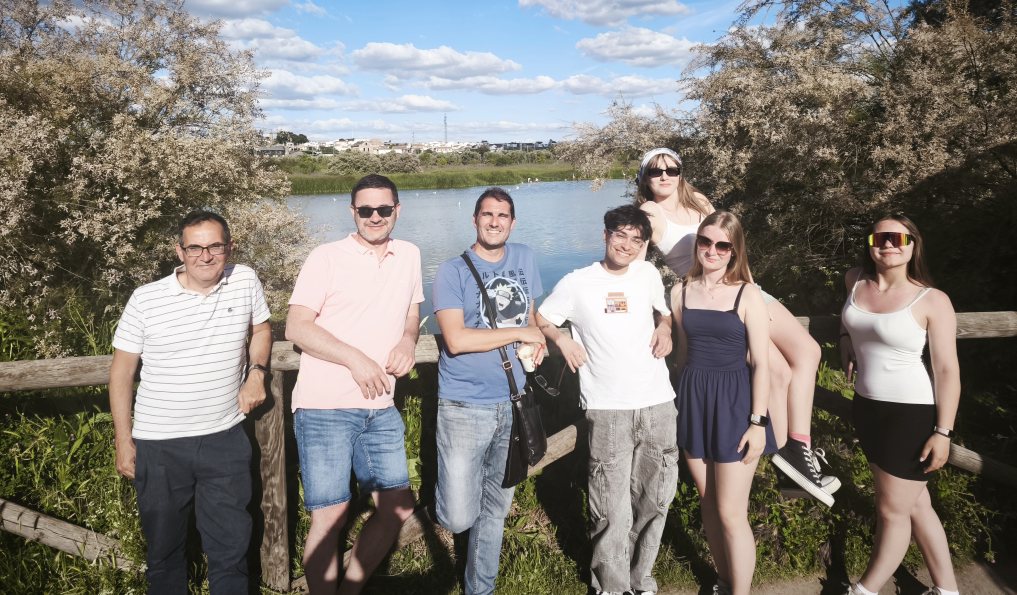
The excursion successfully combined technology, culture, environmental values, and international cooperation. By connecting historical knowledge, modern digital design techniques, and environmental responsibility, students gained a broader understanding of how innovation can contribute both to technological progress and to the protection of cultural and natural resources.
This activity perfectly reflected the objectives of the Erasmus+ programme by promoting digital skills, creativity, intercultural dialogue, environmental awareness, and active citizenship among young Europeans.