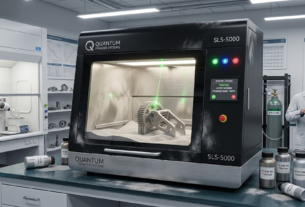
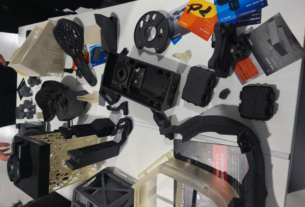
As part of the synergies between the Green 3D Detectives mobility and the Erasmus+ 3D Academy project, an educational activity was organized during the second week of October, providing students with a valuable opportunity to develop and improve their skills in 3D design, modelling, and 3D printing technologies.
Through this hands-on experience, students strengthened their technical and creative competences, explored innovative digital manufacturing techniques, and discovered how 3D technologies can contribute to environmental sustainability, resource efficiency, and the development of practical solutions to real-world challenges.
This activity highlighted the importance of collaboration between European educational projects, promoting the exchange of knowledge, innovative learning methodologies, and the development of digital and environmental skills among students.
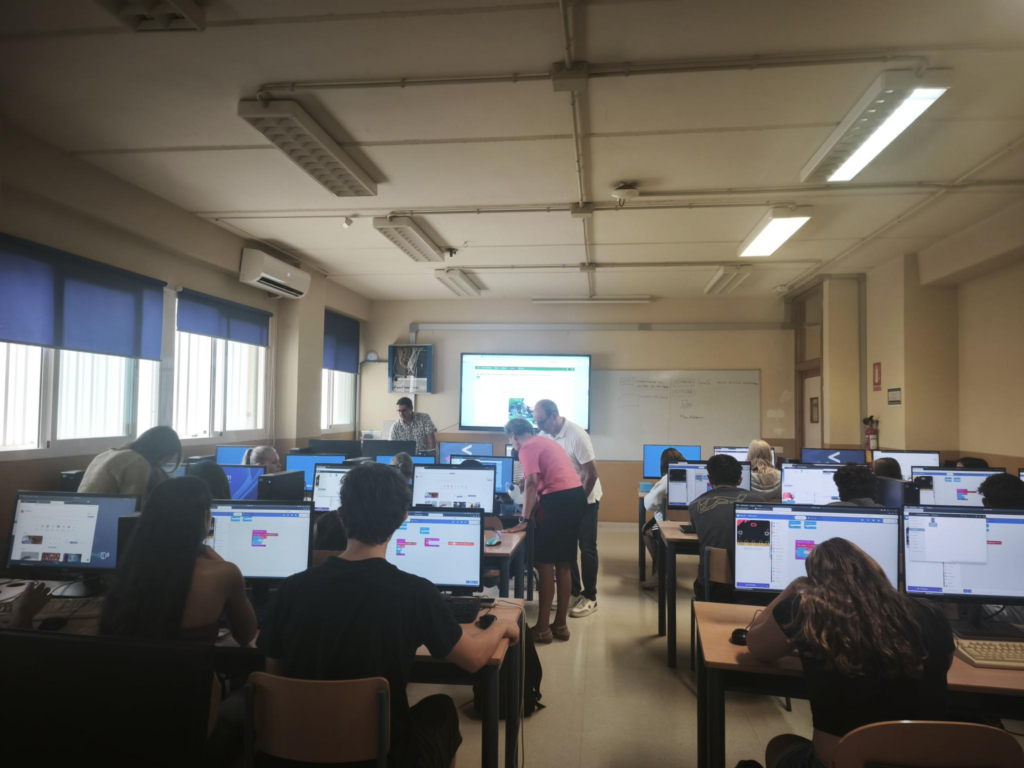
On As part of our Erasmus+ 3D Academy project, students participated in an innovative workshop combining Micro programming, electronic sensors, automation, and digital engineering to explore how smart technological solutions can be developed to solve real-world problems.
The activity focused on creating a smart irrigation system capable of automatically watering plants according to their actual needs.
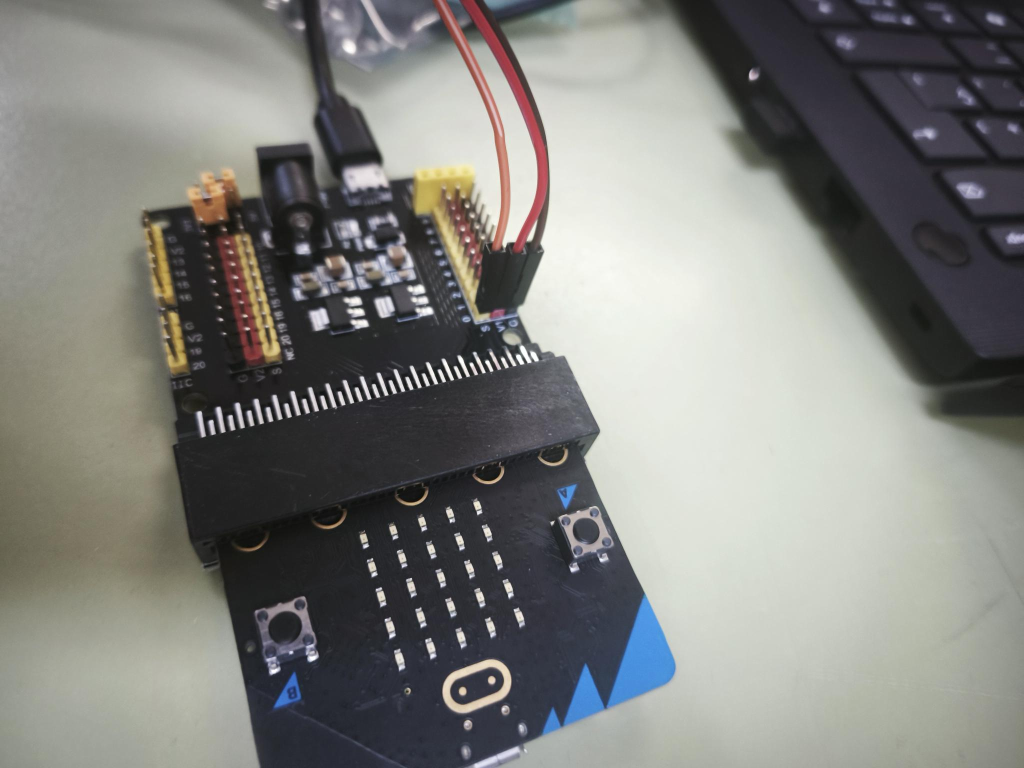
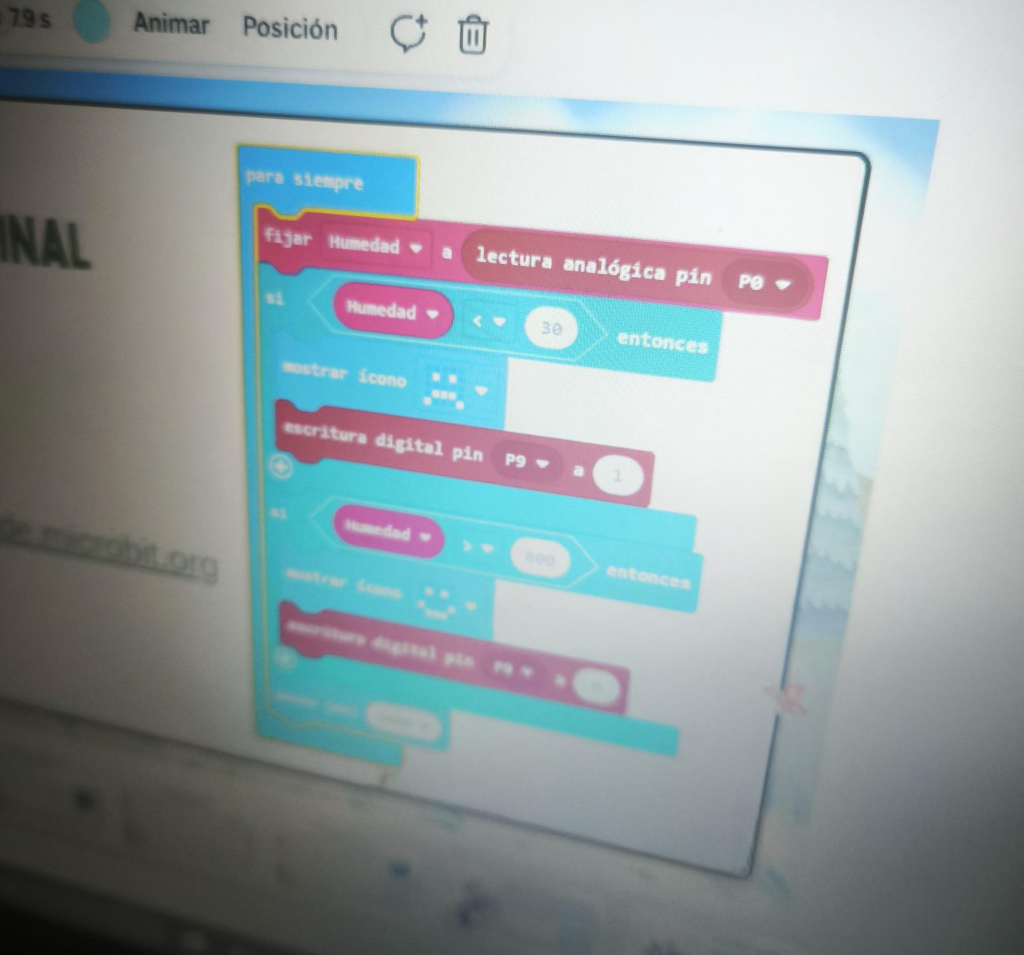
Using a Micro programmable board, students learned how to connect and control different electronic components, including a soil moisture sensor, a relay module, and a water pump. By developing their own programs, they created a prototype capable of detecting low moisture levels and activating the irrigation system automatically.
This hands-on experience introduced students to fundamental concepts of physical computing, sensor integration, electronic control, automation, and intelligent systems, strengthening their practical technological skills.
The workshop was particularly relevant to the objectives of 3D Academy, which promotes the acquisition of new competences in 3D modelling, additive manufacturing, digital design, and emerging engineering technologies.
Students explored how this type of electronic prototype could be enhanced through 3D design and 3D printing, creating customized enclosures for electronic components, sensor supports, irrigation connectors, and other functional parts adapted to specific needs.
This approach demonstrated how 3D modelling and additive manufacturing can complement electronics and programming, enabling students to move from an initial idea to the development of functional, customized technological solutions.
The activity also established a valuable connection with the Erasmus+ Green ITC project, showing how technological creativity and digital engineering can contribute to environmental sustainability through water conservation and efficient resource management.
By integrating programming, electronics, and the possibilities of 3D manufacturing, students developed creativity, computational thinking, engineering skills, and a deeper understanding of sustainable innovation.
A fantastic example of how 3D Academy transforms technological knowledge into practical solutions, encouraging students to design, program, and build the smart and sustainable devices of the future!